-网站_i0uyk9j7.jpg)
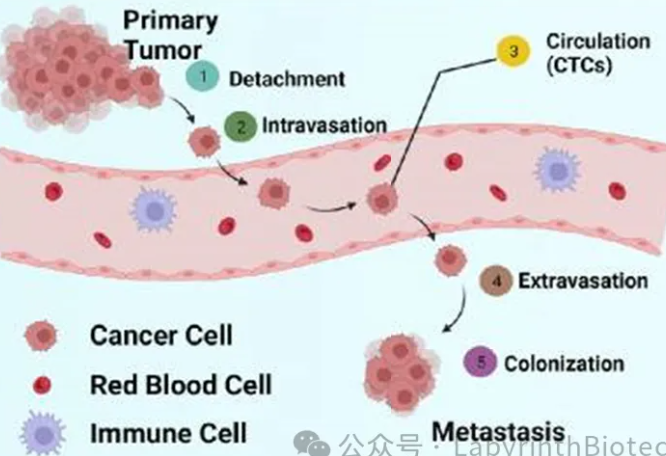
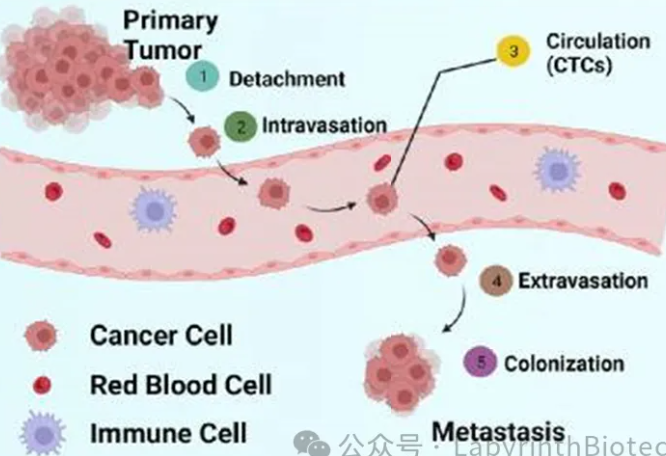
In August 2025, a team from Mass General Brigham (MGB) and Harvard Medical School published a comprehensive review titled “Circulating Tumor Cells: Blood-Based Detection, Molecular Biology, and Clinical Applications” in Cancer Cell, systematically summarizing the groundbreaking progress in the CTC field over the past decade. The review not only outlines the evolution of CTC detection technologies but also delves into the molecular biological characteristics of CTCs and their central role in dynamic tumor monitoring, treatment efficacy evaluation, and personalized therapy.
Learn More >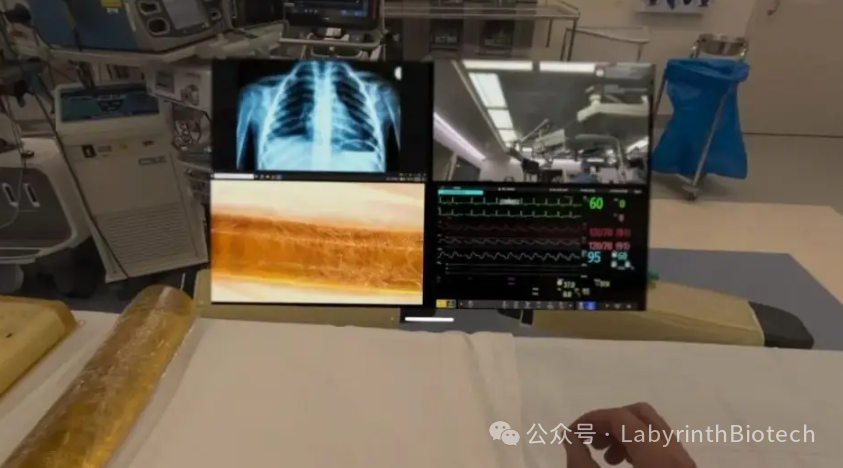
From Stanford Professor to Terminal Patient: A Doctor's Dual Journey Exposes Lung Cancer's Racial Disparities
Learn More >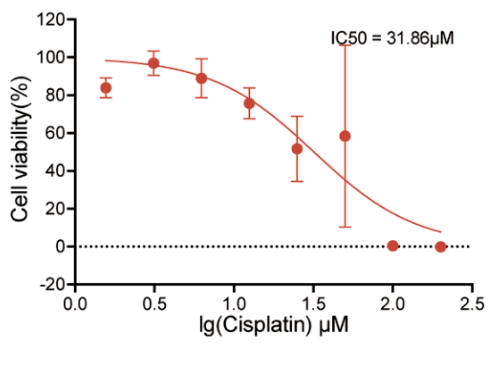
Cancer treatment has long been one of the greatest challenges in medical science, with identifying the most effective anti-cancer drugs for individual patients being particularly crucial. Today, we're proud to introduce a groundbreaking technology that could revolutionize cancer therapy - the CTC Drug Sensitivity Test.
Learn More >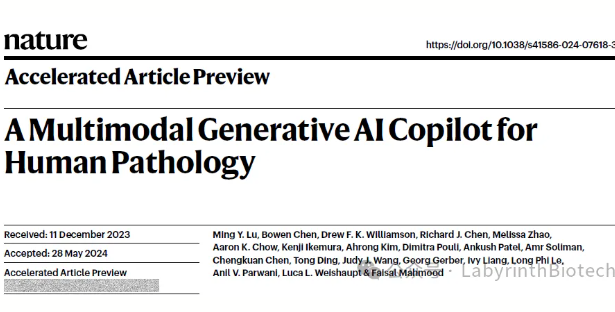
In the medical field, particularly within the critical discipline of pathology, AI technologies are achieving increasingly profound applications. A research team from Harvard Medical School has developed PathChat, a multimodal generative AI assistant designed to provide comprehensive support for human pathology. The related findings have been published in Nature.
Learn More >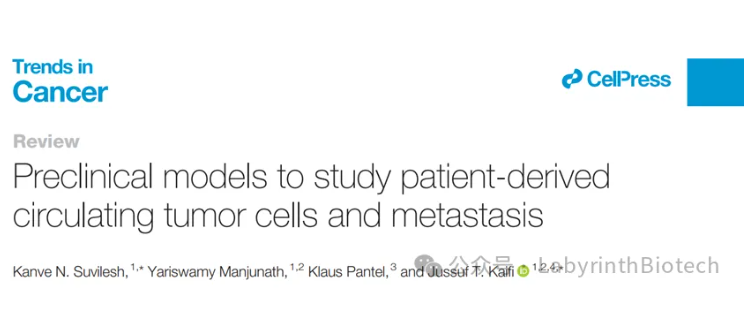
As potential metastatic "culprits" shed from primary tumors, circulating tumor cells (CTCs) have become a focal point for understanding cancer metastasis. While most studies to date have focused on CTC enumeration in patient blood for predicting recurrence risk and treatment response, only a limited number have successfully established CTC-derived cell lines. These rare studies enabled in-depth analysis of:Genetic heterogeneity across CTC lineages、Tumorigenic potential in vivo、Differential sensitivity to pharmacologic agents
Learn More >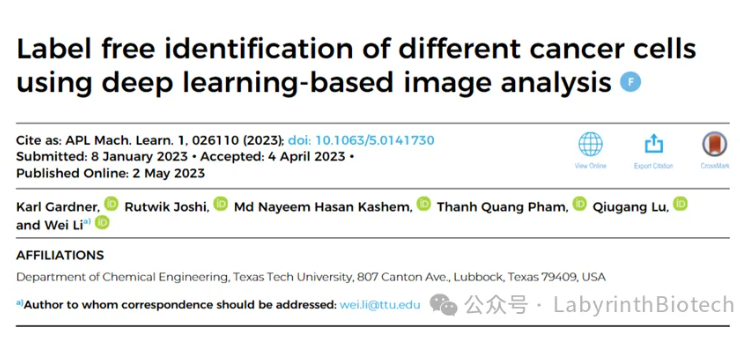
In recent years, the rise of deep learning technology has brought revolutionary changes to the field of medical image processing. With its powerful capabilities in feature extraction and pattern recognition, deep learning has achieved remarkable results in medical imaging applications. Against this backdrop, a research team from Texas Tech University has proposed an innovative label-free cancer cell identification technology. This approach leverages deep learning to analyze cancer cell images, enabling accurate classification of different cancer cell types.
Learn More >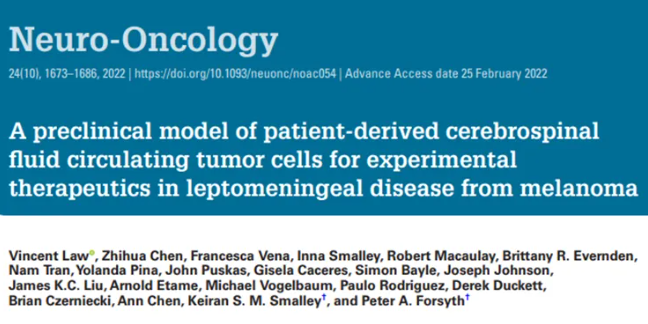
In October 2022, Vincent Law and colleagues published a groundbreaking study in Neuro-Oncology titled "A Preclinical Model of Patient-Derived Cerebrospinal Fluid Circulating Tumor Cells for Experimental Therapeutics in Leptomeningeal Disease from Melanoma." The researchers successfully cultured patient-derived circulating tumor cells from cerebrospinal fluid (PD-CSF-CTCs) in melanoma patients with leptomeningeal disease, establishing a valuable preclinical model. Through single-cell RNA sequencing analysis, they identified potential therapeutic targets specific to leptomeningeal melanoma metastases. Based on these targets, the team conducted drug screening and subsequent anti-tumor efficacy testing, paving the way for more targeted treatment approaches for this challenging complication of melanoma.
Learn More >